
01
White Miso
Mild / Sweet / Light
- Best for
- Soup / Sauce / Dressing / Marinade
- Origin
- Japan
- Supply
- Retail to foodservice
Japanese Miso
Source authentic Japanese miso for retail, foodservice, restaurants, and food manufacturing.
Origin
Japan
Formats
Retail / foodservice / bulk
Applications
Soup, ramen, sauces, manufacturing
Support
Samples, specs, documents, RFQ

Miso Lineup
Compare common Japanese miso routes by flavor direction, use case, and commercial fit. Actual specifications and availability are confirmed by supplier and destination market.
Mild / Sweet / Light
Rich / Deep / Full-bodied
Balanced / Versatile
Aromatic / Mild sweetness
Strong umami / Rich flavor
Organic sourcing options
Find Miso by Use
Start with the menu, product, or channel you are building. Organic Link can narrow the route from there.
Miso soup, ramen, sauces, marinades and Japanese cuisine.
Sauces, dressings, soups, snacks, prepared foods and processed products.
Japanese grocery, supermarkets, specialty stores and distributors.
Commercial-volume miso for manufacturers and professional kitchens.
Bulk & Wholesale
Miso supply conditions vary by manufacturer, formulation, packaging, order volume, and destination. The pack sizes below are examples for discussion, not fixed guarantees.
Commercial-volume requests can be screened by product type, application, and destination.
Example pack sizes include 500 g, 1 kg, 5 kg, 10 kg, and 20 kg / bulk.
Organic Link helps align forecast volume, lead time, and supplier conditions.
Required documents and destination-market conditions are confirmed during RFQ.
Compare color, aroma, salt level, texture, ingredient list, allergen details, packaging format, shelf life, and storage conditions before moving into RFQ.
Depending on product and destination, specifications, ingredient statements, allergen information, origin details, testing data, and other documents can be checked.
Miso can be screened for soup bases, ramen operations, sauces, marinades, dressings, ready meals, snacks, retail packs, and foodservice kitchens.
Why Japanese Miso
Miso may look simple, but commercial sourcing depends on how soybeans, koji, salt, maturation, packaging, and export requirements come together. The right product is selected by use case first, then refined by flavor, format, and documents.
3
Core inputs
5+
Use routes
B2B
Sourcing lens
Bean variety, steaming, and blending influence body, color, and the depth of umami.
Rice, barley, or soybean koji changes sweetness, aroma, texture, and regional character.
Salt level affects preservation, balance, label direction, and the final taste profile.
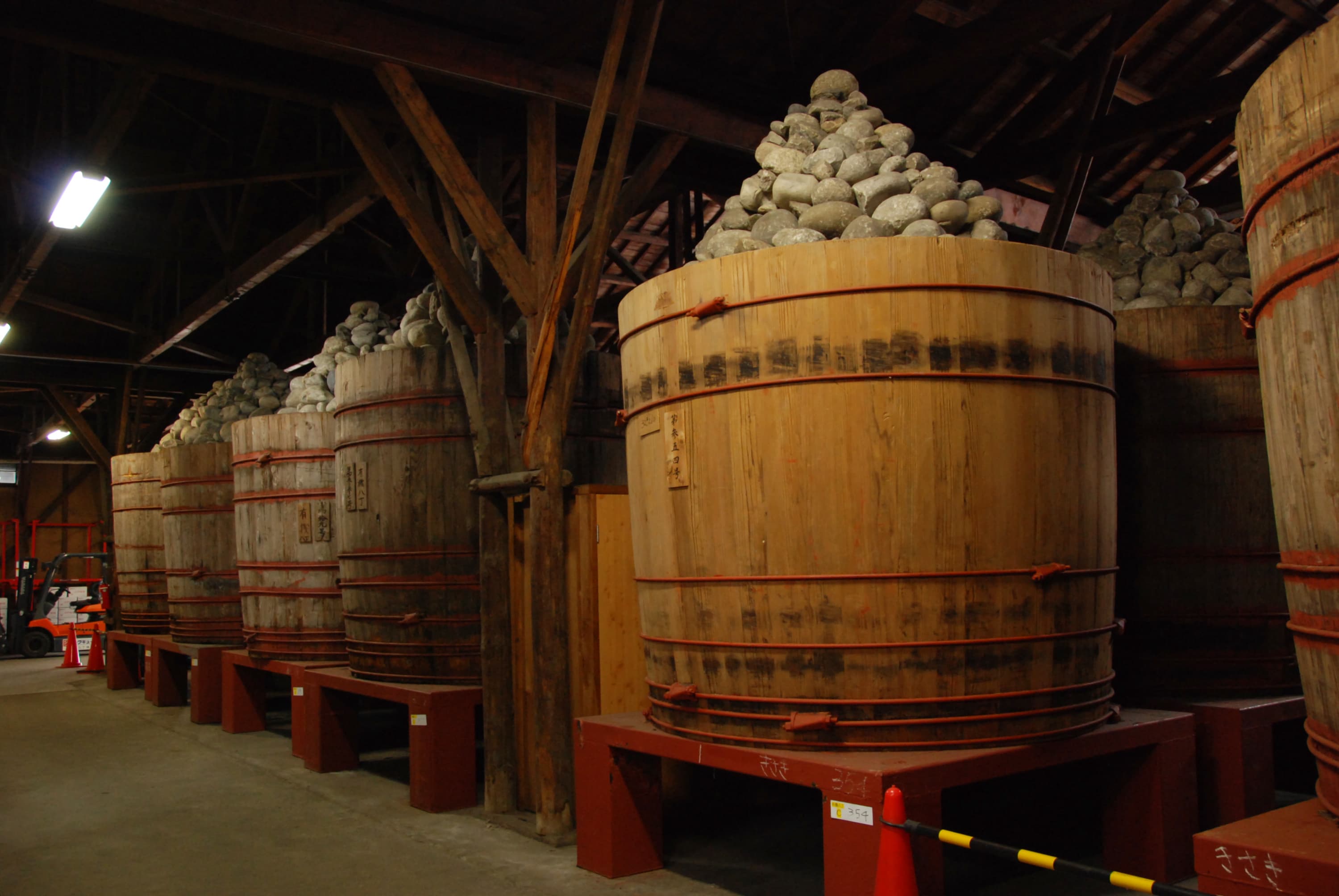
Temperature, vat style, and production method create differences between mild and robust miso.
Shorter aging tends to be lighter, while longer maturation supports deeper color and richness.
What buyers should clarify
Flavor direction
sweet, balanced, deep, aromatic, or umami-rich
Application
soup, ramen, sauce, dressing, marinade, or processed food
Commercial fit
retail cup, pouch, foodservice tub, or bulk container
Documentation
ingredients, allergens, specs, certificates, and export documents
Miso Comparison
A quick buyer-facing view for teams still deciding which flavor direction fits their project.
Mild / Sweet
Sauces, dressings, lighter soup profiles
Balanced / Versatile
Retail, restaurant, and broad foodservice use
Rich / Deep
Ramen, sauces, marinades, fuller cooking profiles
Aromatic / Mild
Soup, cooking, and traditional-style dishes
Strong / Umami-rich
Sauce, ramen, and bold flavor applications
Organic sourcing options
Organic retail and premium specialty channels
Buying Guide
The right route depends less on the product name alone and more on application, package size, market requirements, and how the miso will be used after import.
A restaurant buyer may need a balanced flavor and kitchen-friendly package, while a manufacturer may care more about salt level, viscosity, process fit, and repeatable bulk supply.
White miso works well for mild sauces and lighter recipes, red miso brings deeper body, and soybean miso can support stronger umami profiles for ramen, sauce, and cooking.
Retail cups, pouches, foodservice tubs, and larger bulk formats each change label, storage, logistics, and MOQ discussions. Final availability depends on the supplier route.
Import requirements, label rules, permitted ingredients, documentation, and testing expectations differ by market, so the destination country should be part of the first inquiry.
Specification Notes
Miso is simple as a food, but commercial sourcing requires careful confirmation of ingredients, documents, package, storage, and final use.
Soybeans, rice koji, barley koji, salt, alcohol, and other ingredients vary by product route.
Soybean is central to most miso. Wheat or barley routes need separate allergen confirmation.
Chilled, ambient, or other storage conditions depend on formulation, pasteurization, package, and shelf life.
Salt level, sweetness, color, aroma, and umami strength should be matched to the buyer's application.
Retail, foodservice, and bulk packaging are discussed after type, use case, volume, and destination are clear.
Sample availability depends on stock, supplier policy, destination, and the commercial seriousness of the project.
Buyer Fit
Consumer-friendly package, clear label information, stable shelf presentation, and approachable flavor direction.
Kitchen efficiency, consistent flavor, practical tub size, easy storage, and reliable recurring availability.
Ingredient declaration, salt level, process compatibility, viscosity, pack size, and document readiness.
Supplier reliability, market fit, price logic, shelf life, carton dimensions, and export coordination.
Export Support
Organic Link connects overseas buyers with Japanese food suppliers. Export feasibility depends on the product, specification, and destination market.
We review Japanese products and supply routes according to buyer requirements.
Ingredients, specifications, packaging, and commercial conditions are checked before RFQ.
Destination-market requirements and necessary export documentation are reviewed by product.
After conditions are clarified, samples, pricing, and supply terms can be coordinated.
Buyer Summary
Organic Link helps buyers move from a broad ramen or retail miso request into a practical supplier discussion with clearer product type, packaging, volume, document, and destination-market requirements.
If the exact type is not fixed, share the end use first. We can compare suitable routes and avoid over-specifying the product before the commercial conditions are understood.
Yes. We can help narrow the route by flavor direction, intended use, packaging, volume, destination market, and required documents before contacting suitable suppliers.
Bulk and commercial formats may be available depending on the supplier and product. Final pack size, MOQ, lead time, and price are confirmed after the use case and destination market are clear.
Organic options can be checked by request. Availability depends on supplier certification, stock, package format, MOQ, and the documents needed for the buyer's market.
Send the type of miso if known, intended use, target quantity, preferred package size, destination country, required certifications or documents, and any target flavor or price direction.
Sourcing Flow
01
02
03
04
05
Buyer Information
Organic Link connects overseas buyers with Japanese miso products for retail, foodservice, restaurants and food manufacturing.
White, red, rice, barley and soybean miso differ in ingredients, fermentation method, color, aroma and flavor.
Commercial packaging and supply conditions can be discussed according to required volume, application and destination.
Depending on the product and destination market, buyers may require ingredient specifications, allergen information, product specifications, certificates, testing data and other documentation.
Request Miso
Tell us the type, quantity, application and destination market you're looking for. Organic Link will help identify suitable Japanese products and suppliers.